GROW YOUR COMMISSIONS

By Phil Calhoun in conversation with Marc Glickman & Peter Buechler
Recorded on a webinar with Phil Calhoun of Commission Solutions, Marc Glickman of BuddyIns, and Peter Buechler of Cohesive Insurance Services, this conversation focused on practical cross-selling strategies for brokers. The discussion centered on how experienced health insurance professionals can open retirement planning conversations and how annuities and long-term care can fit in the planning conversation.
Marc Glickman is the CEO of BuddyIns, where he has spent nearly 20 years in the long-term care space, including more than a decade as an actuary before building a platform designed to help brokers guide clients through long-term care planning and access a nationwide network of LTCi experts. Peter Buechler, CFP, CLU, ChFC, is the president of Cohesive Insurance Services, an independent marketing organization that works with brokers, financial advisors, and insurance-licensed agents to help them integrate annuity solutions into client planning.
Cross Selling with Purpose
For California brokers, the appeal of cross-selling is not just revenue expansion. It is also about staying relevant at the point in clients’ lives when they are making major decisions about retirement, health care, and income protection. In the webinar, the speakers kept returning to one simple idea that matters in every line of business. The best cross-sell opportunities come from trust, timing, and a process that feels easy for the client.
Buechler focuses on the goal of helping brokers understand where annuities fit and how to bring those conversations into a broader retirement discussion. His team can support health insurance advisors as well as CFPs and RIAs, with support depending on how involved the broker wants to be. “We help them integrate annuities, where appropriate, into an overall financial plan,” said Buechler. “It may not be something that many health insurance advisors have at the forefront of what they do. We help them open the door to integrate annuities into their conversation with clients.” That flexibility we provide with the support to health brokers is what makes referral partnerships work.
Glickman made a similar case for long-term care, suggesting that brokers should focus less on the product label and more on the problem it solves. “It is really about finding what is the best fit for your client,” he said. “What long-term care planning does for the client, not what is the product itself.” In his view, the broker’s role is to initiate the conversation and then lean on a specialist to do the deeper work.
Timing the Conversation
One of the most useful takeaways for California brokers was the emphasis on timing. Phil Calhoun pointed out that the best moment to bring up related planning topics often comes after the core health insurance conversation is complete. A simple question about whether a client has reviewed finances or has a retirement plan can open the door to a larger discussion. That approach works because it is natural, non-threatening, and rooted in the relationship the broker already has.
Buechler framed the opportunity around the Medicare transition. He said that when clients are moving into Medicare, they are also often moving from accumulation to distribution in retirement planning. That creates a natural opening for questions about annuities, legacy planning, reviewing older policies, and ensuring all is functioning as intended. He described it as an important time when brokers can bring subject matter experts to assist in other areas during this next stage of the client’s life.
Glickman added that long-term care is especially effective when the conversation is framed around care, not insurance. He said clients usually respond to the idea of paying for professional care rather than relying on family members. He also noted that products today are more varied than many brokers realize, including hybrids and shorter-term solutions that may be better suited to a 65-plus client than traditional coverage.
What Makes Referral Work
The speakers agreed that the broker’s role does not end with the introduction. In fact, the referral is more likely to work when the process is simple enough so that the broker can confidently repeat it. Glickman said a broker must know that the specialist will “deliver on that solution for the client” because the relationship is the asset being protected. He stressed that a referral partner should create a frictionless experience and reduce the lift for the broker, not add to it.
Buechler described a similar model on the annuity side. He said the process can begin with a short call focused on the client’s goals, followed by a more detailed planning conversation if needed. That structure allows the broker to stay involved at whatever level feels comfortable. “It just depends upon the level where they are at and what they want to do,” he said. “It can work any number of ways.”
The compensation structure matters, but it is not the point. Buechler’s company can assist an agent with taking the sole lead as a retail agent while others prefer partnering with Buechler to have him assist the client directly with varying compensation splits. Glickman said he often uses a 50-50 split when the work is truly shared, and an 80-20 arrangement when one partner is doing the heavier lift. Both emphasized that the real value is in making the broker look good to the client and keeping the relationship intact.
California Group Opportunities
For California broker audiences, the group long-term care discussion was especially relevant. Glickman said employers and HR teams often understand the value of long-term care once the issue is framed as a caregiver problem. When an employee needs time off to care for a parent, the need becomes concrete. He said that is why group products can resonate so well with HR departments and business owners.
He also pointed out that the group market now includes guaranteed issue options down to three lives and that the census required is simple. “They do not need names, they do not need salaries,” he said. “All we really need is their dates of birth.” He noted that this makes it possible for brokers to introduce meaningful coverage without asking the employer to take on a heavy administrative burden.
Glickman highlighted another advantage that brokers should be ready to explain. Group long-term care benefits can be portable, and some plans feature level premiums and generous benefit growth. He said brokers often do not realize how common these products have become through employee benefits divisions. That creates an opening for California brokers who work with employers, HR teams, and voluntary benefits.
The Broker Advantage
The most consistent theme across the webinar was that brokers do not need to become experts in everything. They do need to know how to recognize opportunity, ask the right questions, and connect clients with the right specialist. Buechler said a broker can stay fully involved or simply make a warm handoff. Glickman said the key is to keep it easy enough that the broker remembers to act on it and that the client understands the next step.
Both speakers also stressed that broker trust is built through service at the point of need. Glickman described claims concierge support and policy review assistance as examples of value-added services that can strengthen relationships over time. Buechler said ongoing client touchpoints such as policy review, beneficiary review, and senior financial security checklists can create what he called a “sticky client.”
For California agency owners and producers, the message is practical. Use Medicare and retirement transitions as conversation starters, keep the process simple, and partner with specialists who can handle the technical lift. When brokers do that well, cross-selling stops feeling like a sales tactic and starts functioning like a service model.
“The most consistent theme across the webinar was that brokers do not need to become experts in everything.”
Engage with Marc Glickman and BuddyIns for LTCi Planning and Coverage Support
Click here for group or Click here for individual

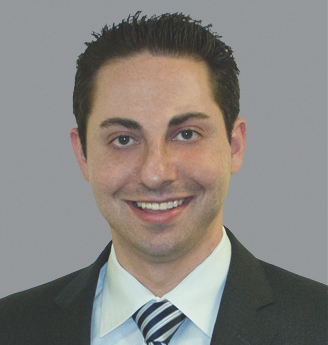
Marc Glickman, FSA, CLTC, is the CEO and co-founder of BuddyIns, a leading long-term care insurance education, marketing, and technology company. Marc is a licensed insurance agent in all 50 states and serves on the Board of Advisors for CLTC. Marc has over 15 years of experience as an actuary, including as the chief investment officer and chief sales officer for a major LTC insurance company. Marc earned his degree in economics from Yale University. In 2019, he was named one of the top 20 innovators in the insurance brokerage space.
marc@buddyins.com
818-264-5464

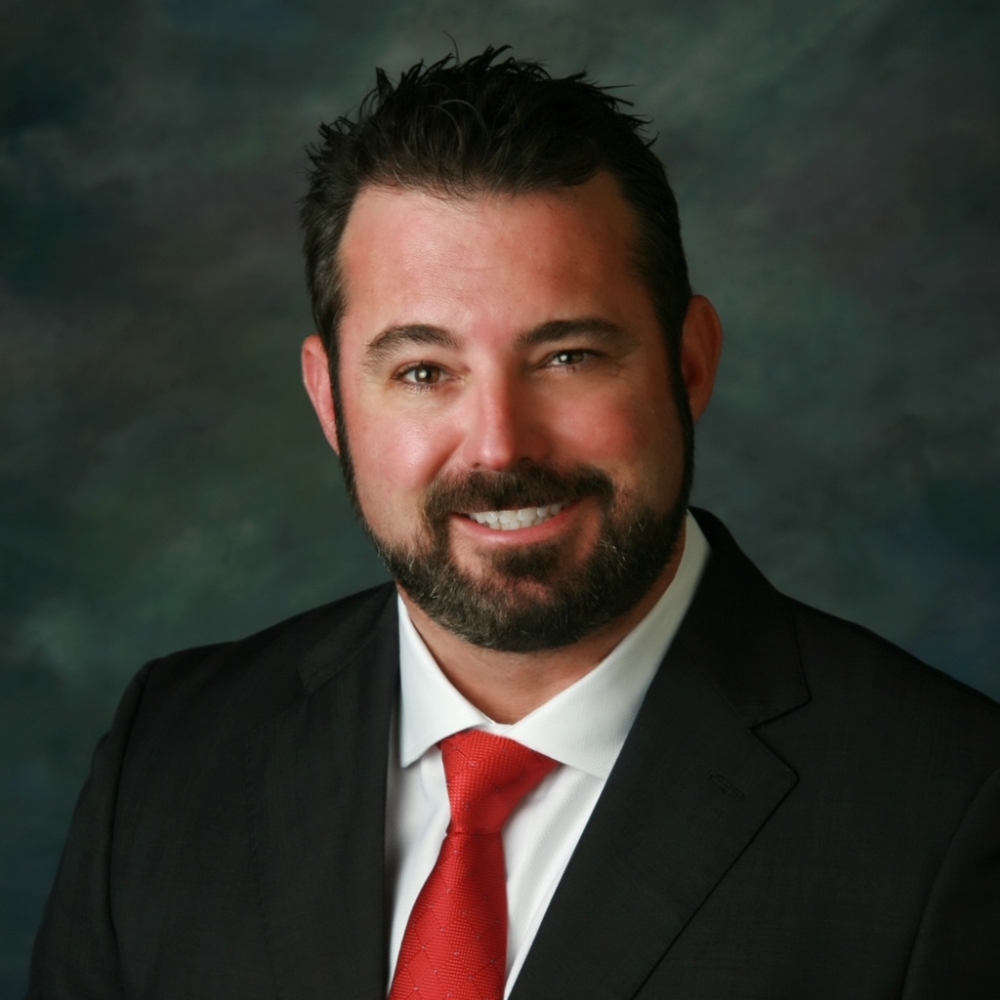
Peter Buechler is President of Cohesive Insurance Services, a brokerage general agency serving financial professionals across the country. Based in Orange County, California, Peter brings decades of experience in financial and insurance planning and is known for his leadership in the annuity and insurance markets. A past president of both NAIFA–Orange County and NAIFA California, he’s a frequent industry speaker and advocate for professional growth. At Cohesive, Peter focuses on helping advisors succeed through integrated planning, education, and innovative case design.
Engage with Peter Buechler and Cohesive Insurance Services for Annuity Support, Retirement Planning Conversations, and Referral-Based Assistance Designed for Independent Agents and Advisors
PeterB@CohesiveInsurance.com
714-406-3022
Featured in our May 2026 Issue page 28 – Click here to download!