
PINNACLE TPA


By CalBroker in conversation with Kyle Gerdts
Article Experience Options: Click here to Listen or Click here to Watch the full interview
Kyle Gerdts brings a decade of third-party administration experience to his role as Vice President of Sales and Account Management at Pinnacle Claims Management Inc., backed by a career that spans HR, national TPAs and leadership roles managing rapid growth in self-funded plans across the western region. He combines a deep operational understanding of claims, member engagement, and cost containment with a strong broker-centric focus that emphasizes service, transparency, and long-term partnerships.
This article is adapted from a recorded conversation between Gerdts and California Broker.
From HR desk to TPA leadership
Gerdts’ path into the industry started in human resources, where he managed employee benefits for a transportation company in Fresno and realized he was more interested in benefits strategy than in HR administration. He recalls that once he began running the benefits program, he decided to get licensed because he did not “see myself as a human resources manager for my entire life” and wanted to move fully into the insurance side. From there, he joined a Syracuse-based TPA in a California sales role, then moved through several large national administrators, including what is now one of the largest TPAs in the country.
His most significant growth, however, came when he joined HealthComp, now Personify, shortly after a private equity acquisition and helped grow the book from roughly 150,000 member lives to about 1.5 million. Gerdts credits his CEO, EVP, and President at that organization as key mentors who taught him how to “really understand our clients’ needs from a third-party administration perspective” and to focus on cost management, technology, and operational excellence. After another private equity sale and leadership changes, he chose a different track and joined Pinnacle, which he describes as privately owned, not for sale and “really in this for the long run to serve our members.”
Mentors and mindset for growth
Mentoring has been a consistent theme in Gerdts’ career and it shapes how he leads today. He notes that he essentially grew up around TPAs because his stepfather Larry Thompson has run administrators and consulted in the space for more than 40 years, giving him early exposure to industry terminology and dynamics. Later, senior leaders at HealthComp and Personify helped him deepen his expertise in self-funding and reference-based pricing, and he still collaborates closely with one of those former presidents, whom he calls “one of the brightest minds in the industry from a third-party administration reference-based pricing perspective.”
At Pinnacle, Gerdts now looks to the company’s President, Steve Mangapit, as his primary mentor. He says they are on calls “every single day” and that Steve “really lets me shine and do what we need to do to serve our members and our clients,” while driving Pinnacle to the next level. The throughline in Gerdts’story is a growth mindset focused on learning the details of self-funding and using that knowledge to build better experiences for brokers, employers, and members.
Defining success in 2026: Member first
When asked what a successful year looks like, Gerdts starts with speaking of retention and member experience, not sales. “The first item is retaining all of our clients,” he says, explaining that Pinnacle believes the way to do that is to put the member first and help them navigate a complex healthcare system they typically do not understand. When members get the care they need, when they need it, he expects client satisfaction and retention to follow naturally.
The second priority is deep, ongoing engagement with employer clients in partnership with brokers. Gerdts emphasizes being in front of key contacts such as CHROs, benefit leaders, CFOs and CEOs “every quarter, every month, whatever that cadence might be” to do analytic deep dives, review cost savings and operational metrics, and plan future benefit and plan design changes. He wants brokers and clients to see exactly how Pinnacle is performing on claims, customer service and engagement, then work together to “drive better engagement” year over year rather than treating the plan as static.
Only after member outcomes and client relationships does he put growth and new sales as high priority. As head of sales, he is clear that new business is essential to financial stability and to funding further investments in technology and services for clients and members. In his view, sustainable growth flows from a foundation of member-first engagement and disciplined client-level analytics, not the other way around.
Helping brokers move to self-funding
For California brokers battling double-digit, fully insured renewals on groups of all sizes, Gerdts sees Pinnacle’s role as a hands-on partner in migrating the right cases to self-funding. He notes that Pinnacle does “a lot of our broker partners in the smaller space that have smaller groups migrating their clients from a fully insured plan that’s getting a 15% increase” into self-funded arrangements, often using captives for groups that might otherwise be considered too small. He stresses that the old assumption that a group must be large to self-fund is outdated, pointing out that Pinnacle has self-funded clients with around 50 enrolled employees.
In practice, that migration work is highly consultative. Pinnacle partners with captives such as Pareto and other captive managers to give smaller employers access to data, transparency, and cost containment strategies that are simply not available on standard fully insured contracts. Gerdts explains that, once a group moves, Pinnacle stays close to the broker to review analytics and implement targeted solutions, highlighting advantages like higher touch customer service, quicker claims turnaround, and greater flexibility in plan design. For more traditional self-funded groups, Pinnacle is also picking up business from other TPAs when employers and brokers are looking to exit large, private equity-owned or carrier-owned administrators that have become less flexible and more growth-driven.
Pinnacle RX and integrated pharmacy strategy
Gerdts sees pharmacy as “probably the biggest topic in our industry right now” and a major area where Pinnacle tries to differentiate. Pinnacle started its own PBM, Pinnacle RX, in the early 2000s to replicate the transparency and service of the best mid-sized PBMs and avoid the opacity associated with the largest players. For clients that choose Pinnacle RX, Kyle says they get high touch member service, support for multiple pricing models including spread and pass through, and significant customization around formulary and plan design to match employer goals.
He also points to technology and integration benefits. Because Pinnacle runs both the TPA and PBM, EDI file exchanges and accumulator updates occur in real time, which means members can fill a prescription at the pharmacy and immediately see the claim in the Pinnacle portal. He contrasts that seamless experience with the challenges many TPAs face when trying to integrate with outside PBMs, where delays and data gaps can undermine both transparency and member satisfaction. For brokers, the takeaway is that Pinnacle can pair self-funding mechanics with a tightly integrated pharmacy platform that supports both clinical and financial goals.
Educating and onboarding brokers
For brokers newer to Pinnacle, or to self-funding in general, Gerdts cautions that timing and education are critical. He says the biggest mistake is waiting “until the last minute to scramble and try to get something after your client’s already gotten that big, fully insured renewal” because at that point, it is often too late to structure a solid self-funded alternative. Instead, he encourages early conversations where Pinnacle can walk through all of the moving pieces, from stop loss and captives to PBM options and point solutions.
Gerdts describes stop loss as “the first piece of the puzzle” for smaller employers considering self-funding, since no group is going to move if the stop loss numbers are not viable. To support brokers, Pinnacle conducts webinars, “Self-Funding 101” sessions and targeted presentations for producers who are a good fit for the model. The company’s experience with its MEWA trust, Western Growers Health, has given the team a clear playbook for how to migrate groups responsibly and position brokers as strategic advisors rather than just renewal negotiators.
Kyle sees pharmacy as “probably the biggest topic in our industry right now” and a major area where Pinnacle tries to differentiate.
National reach and fully integrated solutions
Although Pinnacle has deep roots in California and a large block with Anthem in the state, the platform is national. Gerdts notes that Pinnacle is “a national TPA” with network partners in all 50 states and the ability to bring on groups across the country, while Western Growers Health operates as a MEWA trust focused on agriculture in California, Arizona, Colorado and New Mexico. That footprint allows California based brokers with non-resident licenses to work with Pinnacle on multistate clients without having to piece together different administrators.
Looking ahead, Gerdts’ goal for 2026 is to get more clients and prospects to adopt Pinnacle’s fully integrated model, which includes utilization management, case and disease management, concierge services, and other key point solutions under one umbrella. He acknowledges that Pinnacle can “plug and play” with whichever vendors brokers and clients prefer but is candid that “we are only as good as those point solutions.” When employers buy into the fully integrated model, Pinnacle is willing to put performance guarantees, savings projections and fees at risk because the company is confident that the model will drive “high success from a member experience perspective as well as a cost management perspective.”
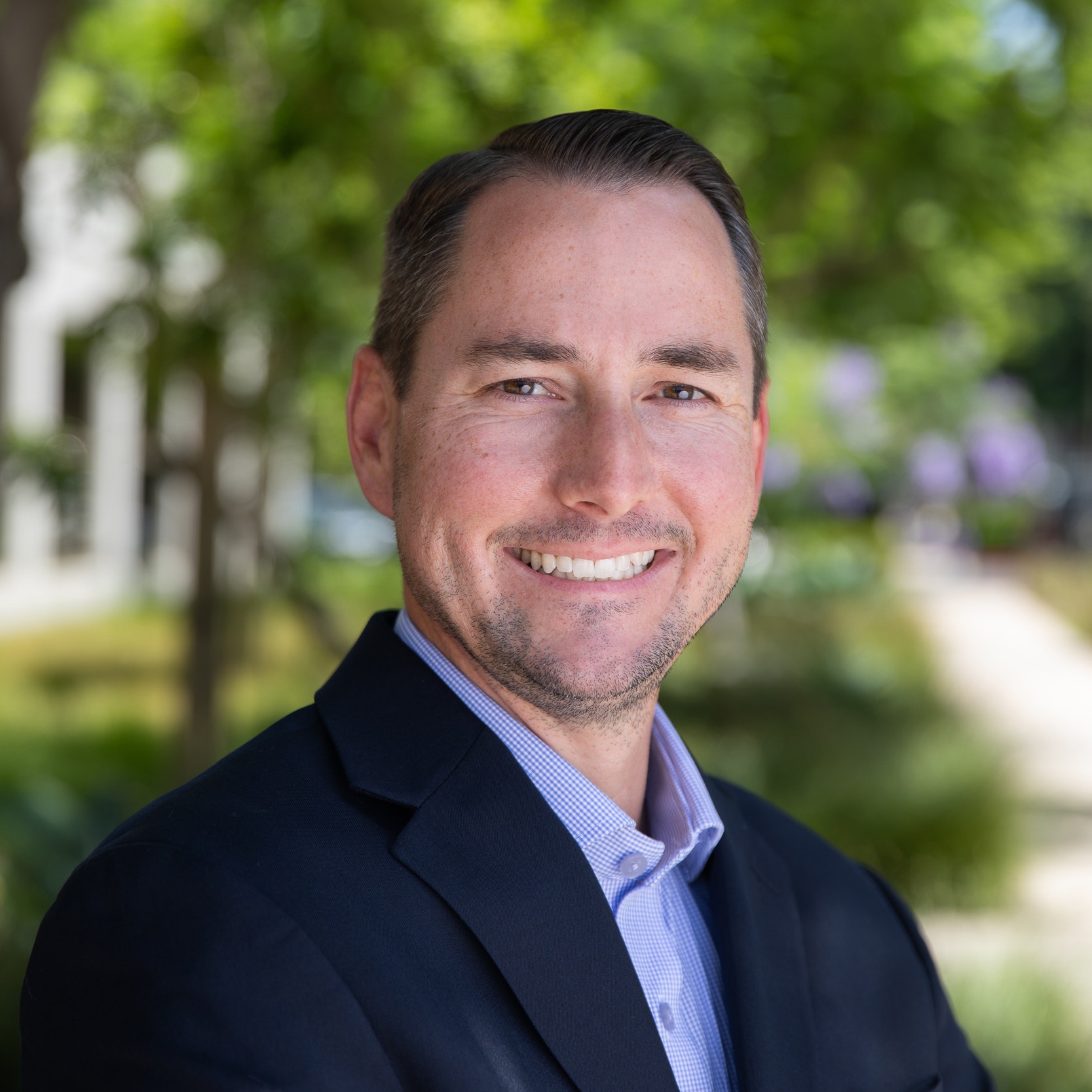
Kyle Gerdts serves as Vice President, Sales and Account Management of Pinnacle Claims Management. Kyle is passionate about building an unparalleled healthcare experience for all employers, enhancing their well-being, and providing cost mitigation so employers can expand their business horizons. Kyle has worked in the healthcare Third Party Administration space for 10+ years, focusing on large employer self-funded medical plans. Kyle holds his Certified Self-Funding Specialist® (CSFS®) designation through the Heath Care Administration Association (HCAA) and has his Bachelor of Science degree in Business Administration and Management from Fresno Pacific University, Fresno, California.
Connect with Kyle and Pinnacle
California Broker readers looking to explore self-funding, captive strategies, PinnacleRx or an integrated TPA model for mid-market and larger groups can reach out directly to Kyle Gerdts, Vice President of Sales and Account Management at Pinnacle Claims Management Inc. Brokers can contact Pinnacle to discuss specific cases, schedule Self-Funding 101 education sessions or set up analytic reviews for existing self-funded clients. To engage with Kyle and his team, visit Pinnacle Excellence and request a broker consultation or meeting to start a conversation about opportunities for your California and multistate clients.