
BROKER V CARRIER

Our Esteemed Panel of Experts Provide Input on Health Commission Crossroads in California
By Phil Calhoun
Four highly accomplished industry leaders provide a sophisticated view of how carrier commission strategies, regulatory structures, and market forces are reshaping the health and Medicare landscape in California. Maggie Stedt contributes decades of Medicare and carrier product experience, including time as a carrier product director. Maggie was on the team that started the Medicare Summit—the largest Medicare event in CA—and she served as CAHIP president. Rosamaria Marrujo brings national distribution insight as an FMO operating in all 50 states and she served as president of CAHIP. Juan Lopez adds deep legislative and association engagement as well as carrier experience and has served as president of CAHIP. Dawn McFarland connects state and federal advocacy with day-to-day brokerage operations and has served as president of the Los Angeles chapter of CAHIP.
Carrier Relationships Beyond Friend or Foe
Each leader approaches the carrier–broker relationship as a complex business partnership rather than a simple adversarial or friendly dynamic.
Maggie notes that many carriers treat broker compensation as part of their 15% profit allowance instead of a core cost of distribution, which leaves brokers positioned as “a necessary evil” even though a substantial portion of carrier enrollment originates with independent producers. She observes that if carriers could eliminate brokers without losing production, “they would happily do so,” and she is critical of the assumption that agents will continue servicing longstanding clients even when compensation is removed.
Rosamaria emphasizes functional roles. In her view, carriers are neither friend nor foe; they are partners with “different responsibilities in our ecosystem.” Carriers design, price, and underwrite the products, while brokers “translate those products into a real-world solution for individuals, their families, and their employers.” When both sides respect those roles, the relationship works extremely well and is ultimately judged by consumer outcomes, she notes.
Juan highlights mutual dependence under financial pressure. Carriers must maintain solvency and profit, and agents “do not want to work for free” as they bring in revenue, so “they need each other in order for them both to be successful.” He characterizes the current environment as “turbulent times” that both carriers and brokers must work through together.
Dawn is explicit that the core question is not friendship. She states, “this is not about friendship, it is about business.” Carriers are evaluating their bottom line and determining whether “it makes sense to continue to use agents as their marketing arm,” while agents must continue to demonstrate their value proposition if they wish to remain central to distribution.
Commission Environment and Market Drivers
” All four leaders describe a commission environment defined by volatility, compressed timelines, and increased uncompensated work for brokers.”
From a national FMO perspective, Rosamaria characterizes recent periods as “volatile and inconsistent,” citing commission reductions, restructures, caps and, in some instances, eliminations of commissions, often implemented quickly and with “limited transparency.” She reports that across the markets she oversees, she “cannot find one market” that has remained stable.
Dawn notes that carriers have historically managed unprofitable plans by removing them from the agent channel, but she points out that the current application of that pattern is “exasperated.” In an environment where agents are already under pressure, she explains that non commissionable plans “truly do create steering,” because it is neither realistic nor sustainable to expect brokers to sell and service zero commission products.
Juan provides a detailed explanation of underlying financial drivers. He links increased utilization to delayed care during COVID, the impact of high deductible ACA plans that pushed major procedures into the Medicare period, and the Inflation Reduction Act’s reduction of the out of pocket maximum from about $8,000 to around $2,000, along with the elimination of the donut hole. Those changes, he notes, shift thousands of dollars per member to the carriers. He also highlights the revenue impact of declines in Medicare star ratings, explaining that a half point drop can translate into “millions and millions of dollars” in lost funding for a plan with hundreds of thousands of members.
Maggie describes the operational impact on brokers as “three different tsunamis”: plans that were filed and marketed as commissionable but later designated non commissionable, contracting windows that extended into late December even though AEP still ends December 7 and no special enrollment relief for beneficiaries whose provider relationships were disrupted, leaving many seniors “thrown to the wolves.”
Why Carrier Responses Differ
The leaders also explain why some carriers have made aggressive commission changes while others have remained comparatively stable and broker supportive.
Juan observes that regional carriers with deliberate, controlled growth and tighter overhead have experienced “less changes and less impact.” These organizations tend to expand into nearby markets with good density and rely on brokers to execute a “controlled growth conversation,” rather than viewing broker compensation as the primary adjustment lever. In contrast, national carriers that expanded rapidly “into very many different markets” and built “huge overheads” are the ones more likely to withdraw from counties, cut commissions on PDP and PPO products, and materially alter benefit designs.
Rosamaria underscores that carriers are not homogeneous. She notes that financial pressures, risk profiles, market exposure, and leadership philosophies differ significantly. Some organizations prioritize short term cost containment, while others treat broker distribution as a long term investment in “growth and retention and compliance.” She cautions against broad generalizations across carriers, reminding brokers that compensation decisions often reflect each carrier’s specific portfolio and strategy.
Maggie brings in California specific behavior, including carriers that have tightened application of the state’s birthday rule and reevaluated rich ancillary benefits such as dental and other extras on Medicare Advantage and Med Supp to mitigate loss ratios. At the same time, she points to carriers that maintain extensive value-added benefits but look to broker commissions and agent participation as areas to trim, sometimes restricting agent involvement altogether on certain drug plans and then criticizing agents to consumers when those agents cannot assist.
“ Carriers design, price, and underwrite the products, while brokers “translate those products into a real-world solution for individuals, their families, and their employers.”
Dawn adds the regulatory overlay, outlining how California’s bifurcated structure places Med Supp and Medicare Advantage under different agencies, while Medicare Advantage benefits and compensation are heavily driven by federal guidance. She notes that this creates a complex environment in which state agencies may empathize with broker concerns yet have limited authority to address certain commission practices directly.
Strategic Practice Adjustments for Seasoned Brokers
Each leader offers practical recommendations for experienced brokers who are reassessing their models in light of these changes.
Maggie encourages brokers to conduct a rigorous review of their books and decide “what business you are willing to be in?” She suggests stepping away from routine handling of standalone PDP enrollments and, instead, building partnerships for that segment, focusing broker time and liability on areas where compensation and professional value remain aligned. She also stresses the importance of respecting E and O boundaries, stating that if she is not appointed with a carrier, her coverage “is not covering” her, and she therefore will not enroll or service those plans.
Dawn explains that she has already stopped selling prescription drug plans as a core activity. She now provides structured education through online meetings to show clients how to use Medicare tools and reserves individual assistance for those who genuinely cannot navigate the process. She emphasizes that she is “not leaving them high and dry,” but is deliberately aligning her service model with where she can add the most value and maintain a sustainable practice.
Rosamaria describes her agency as “client first, disclosure driven.” She trains her downline to understand how compensation changes affect service capacity, to be “very clear” about what they can sustainably provide and to ensure clients are “fully informed” when a non-commissionable plan will not come with the same level of ongoing broker support. She stresses that unmanaged expectations in this environment can damage a broker’s brand and longstanding client relationships.
Juan focuses on professionalism, compliance, and policy literacy. He urges brokers to stay current on legislative and regulatory developments, to understand CMS and carrier requirements in detail, and to report peers who are not following the rules, noting that one non-compliant agent can “smear the rest of us” and invite more restrictive oversight that affects the entire profession.
Strength in Numbers and Professional Leadership
Drawing on their substantial association and advocacy experience, all four leaders emphasize organized engagement as essential to influencing commission policy and preserving the independent distribution model.
Dawn notes that there is “no getting around the work of doing advocacy.” She stresses that the industry needs both more members and more individuals willing to serve in leadership roles, participate in meetings with regulators and legislators and attend state and federal visits so broker perspectives are clearly represented alongside carrier and provider interests.
Juan states that “professional brokers need to belong to a professional association,” pointing to the role of state and national organizations in engaging with CMS, HHS and lawmakers on Medicare and individual market issues. He highlights coordinated work with related industry groups to present a unified position on the value of professional advice and the need for fair, transparent compensation structures.
Rosamaria frames collective action as “shared education, unified professionalism, and consistent messaging.” She argues that brokers, FMOs, and associations must present a cohesive narrative that distinguishes independent advisors from high-volume call centers, explains the breadth of year-round service, and clarifies how zeroed-out renewals affect client support. She also emphasizes leadership development so more brokers can advocate “not emotionally, not reactively, but strategically and compliantly.”
Maggie calls on brokers to move beyond frustration and avoid a victim mindset. She reminds colleagues that they “have the power in our hands through our association and through other good agents” and says it is “time to take the reins” so that broker expertise remains central to how Californians navigate increasingly complex health and Medicare coverage decisions.
Meet Our Esteemed Panel of Experts
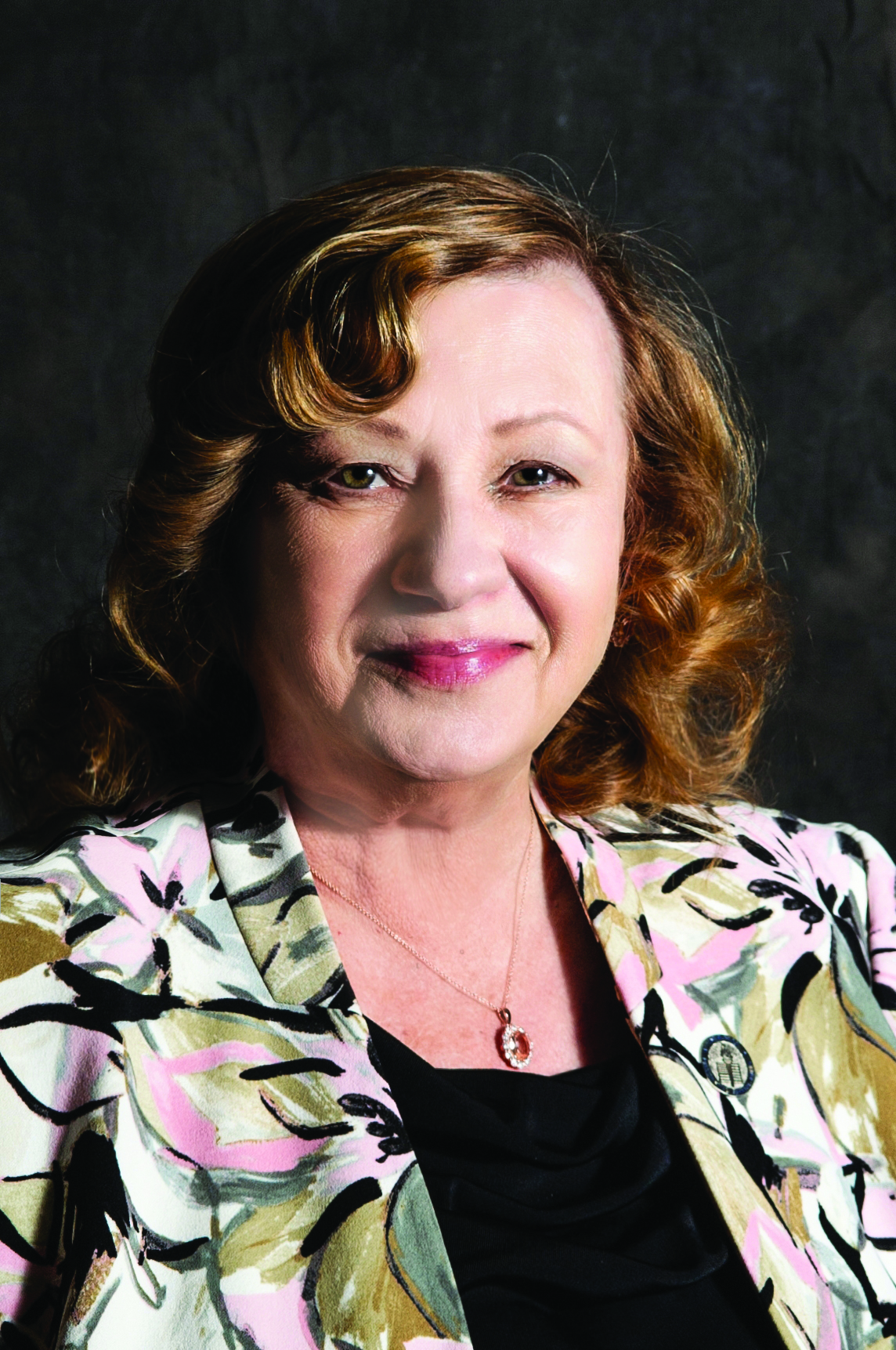
Maggie Stedt
Article Experience Options:
Click here to Listen or Click here to Watch the full interview
Maggie Stedt, C.S.A., LPRT, is an independent contractor/licensed agent and consultant. She is a certified senior advisor and lifetime member of NAHU’s Leading Producers Roundtable at the Soaring Eagle Level. She has over 40 years of experience in essential areas of the insurance industry, including sales and sales management, product development, and product management. Maggie currently serves on the NAHU Medicare Advisory Committee. Founder of the annual Senior Medicare Summit, attendance grew from 200 in 2010 to close to 1,000 attendees in 2022. She served as past president of CAHIP, NAHU Region 8 Membership Chair (2014–2018), and past president of OCAHU, serving two terms.

Rosamaria Marrujo
Click here to Listen or Click here to Watch the full interview
Rosamaria Marrujo, Founder and CEO of Trusted American Insurance Agency (TAIA), is a trailblazer in the healthcare and insurance industry. As President of CAHIP, she leads initiatives that protect consumer rights, strengthen the role of insurance professionals, and influence policy at both the state and national levels. Marrujo’s leadership is defined by her vision for a stronger, more connected industry—one where professionals are empowered, consumers are protected, and healthcare remains accessible to all. www.taia.us // Press@taia.us
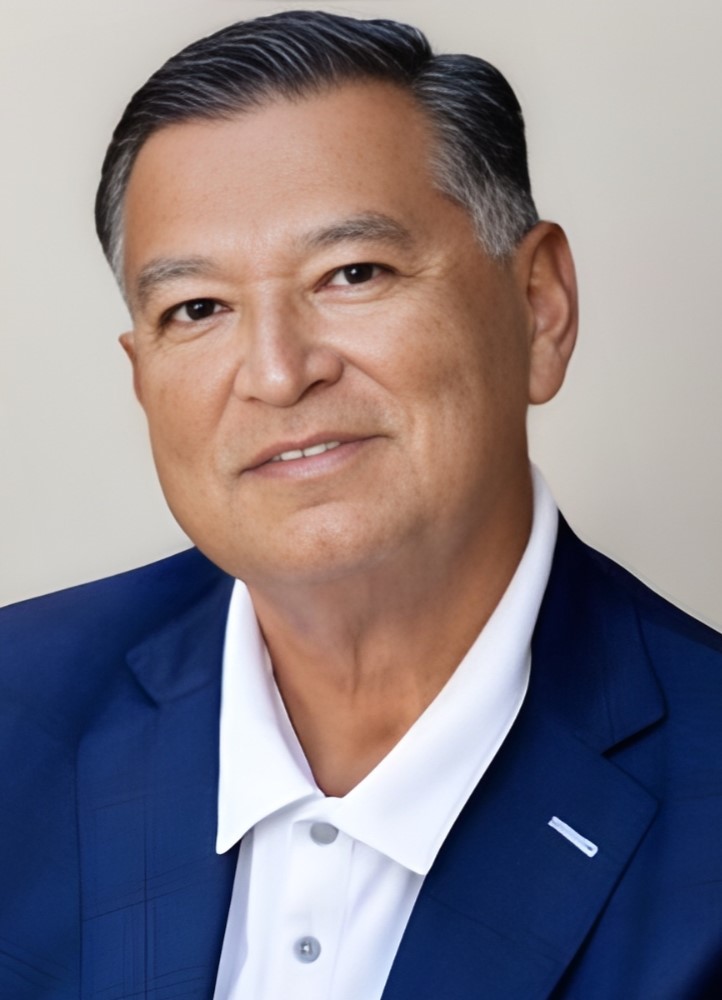
Juan Lopez
Click here to Listen or Click here to Watch the full interview
Juan Lopez is a 35-year insurance industry veteran with leadership roles at Ameritas Life, Aetna, and Kaiser Permanente. He retired from Kaiser Permanente as Southern California Area Vice President of Sales, overseeing Small Group, Large Group, Public Sector, and Strategic Sales.
A past president of multiple regional chapters and the California Association of Health Insurance Professionals (CAHIP), Juan currently serves as Vice President of Finance for CAHIP-OC and chairs its philanthropic golf event benefiting Cystic Fibrosis. His honors include the NABIP Presidential Citation Award (2018), CAHIP Pinnacle Award (2023), and NABIP Distinguished Service Award (2024).
In retirement, Juan joined Colonial Life as a broker consultant and serves as a General Agent with Applied General Agency, supporting brokers in voluntary benefits and Medicare. He holds a Bachelor’s degree in Business Administration from Cal Poly Pomona and enjoys traveling, wine, golf, and photography with his wife of 40 years, Shirlene.
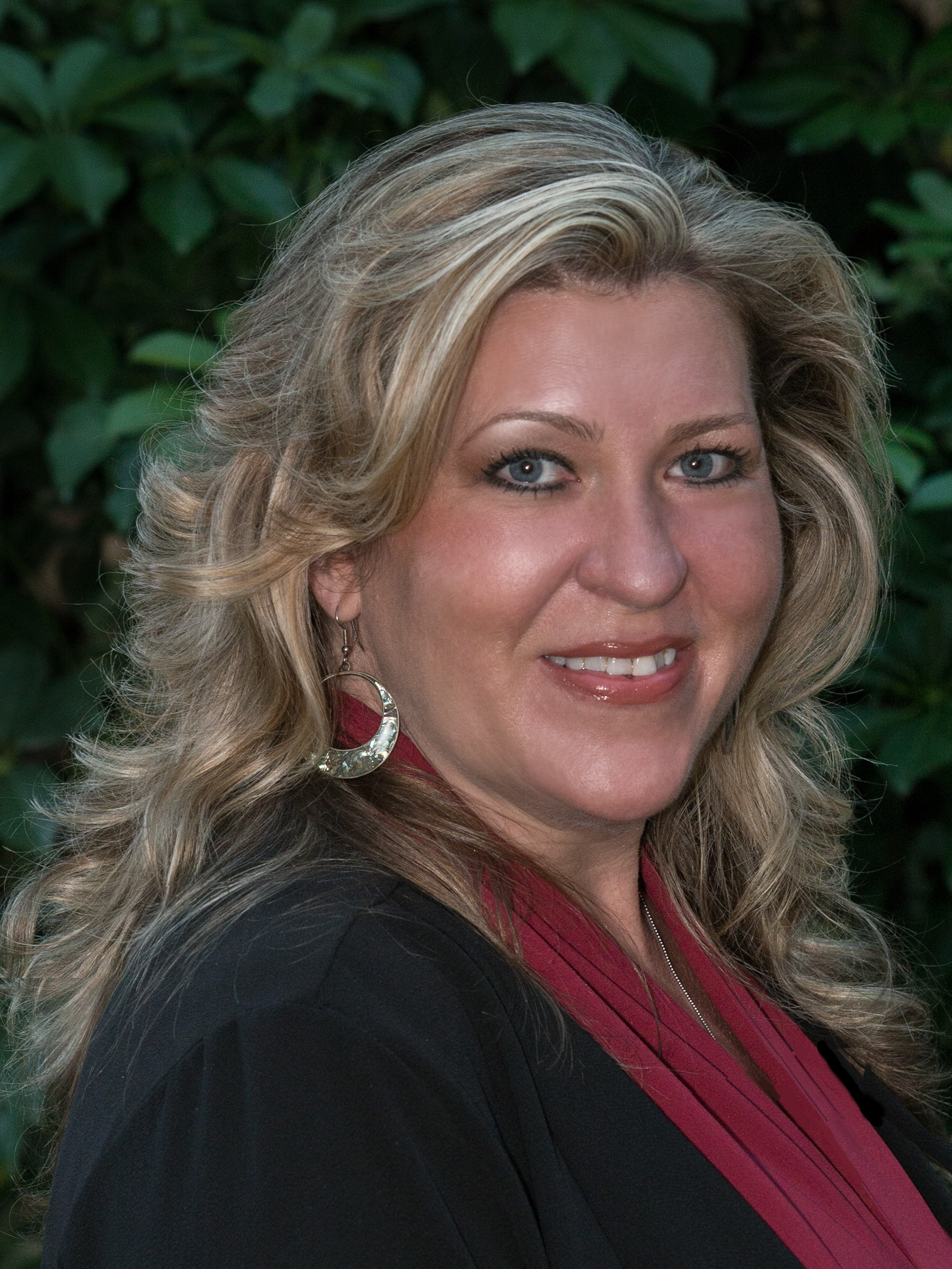
Dawn McFarland
Click here to Listen or Click here to Watch the full interview
Dawn McFarland is the Founder and President of M & M Benefit Solutions Insurance Services. She has found a passion as an agent who helps individuals, especially Medicare-eligible, navigate choosing how they receive their health care. Dawn volunteers as a community educator for the Alzheimer’s Association and was recently elected President Elect for the State of CA Agents and Health Insurance Professionals. She has been recognized by the National Association of Benefits Insurance Professionals (NABIP) with both the Distinguished Service Award and the coveted State Legislative Achievement Award.
She also served four years on the Medicare Advisory Council for NABIP, was president of the LA Chapter of CAHIP, and is a member of the founding group of the NABIP Bill of Rights.
Featured in our January Special Issue 2026 page 36 – Click here to download!