BROKER SPOTLIGHT

By Phil Calhoun in conversation with Sarah Knapp
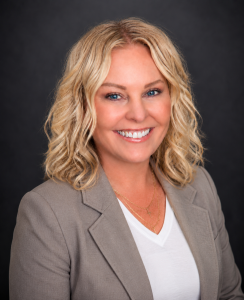
This Broker Spotlight is drawn from a recorded conversation between Sarah Knapp, broker sales representative at Colonial Life and CAHIP OC president, and California Broker magazine CEO Phil Calhoun. Their discussion focuses on voluntary benefits, employee education, association advocacy, mentorship, and the practical steps brokers can take to create greater value for employer clients.
Sarah Knapp brings a teacher’s mindset to the employee benefits business. A Southern California native, Knapp entered the insurance industry in 2011 and has spent 16 years with Colonial Life, where she partners with brokers to deliver voluntary benefits, enrollment support, employee communication, and technology solutions. She also serves in her second year as president of CAHIP OC, where membership growth and industry advocacy are central priorities.
Education Creates Better Benefits Decisions
For Knapp, voluntary benefits are not simply an add-on to medical coverage. They are an opportunity to help employees address the financial exposure that can follow an accident, illness, hospitalization, or disability event.
Colonial Life’s supplemental offerings are designed to help employees manage both medical and nonmedical out-of-pocket costs. “Anytime that you have a major incident with your medical insurance, you’re going to have out-of-pocket costs,” Knapp said. “Knowing that they have these supplemental benefits that they can fall back on and that it’s going to create a safety net for them really just gives peace of mind for so many people.”
That message has clear relevance for California brokers working through another period of rate pressure and employer affordability concerns. As employers adjust contribution strategies, select lower-cost medical plan options, or manage higher deductibles and out-of-pocket maximums, supplemental benefits can become a more meaningful element of the overall benefits strategy.
Knapp sees two ways voluntary benefits can help. An employee who chooses a more affordable medical plan may be able to use voluntary products to create additional financial protection. An employer also may choose to fund a benefit such as hospital confinement coverage as part of a broader benefits redesign.
“When we have these plans that can supplement those out-of-pocket costs, then it lessens the blow,” said Knapp. “We can help that employee build in these plans at a lower cost to help with that risk of the high out-of-pocket costs without having to pay a high monthly premium.”
This is not a substitute for thoughtful medical plan design. Rather, it is a reminder that brokers can bring a more complete risk management discussion to the table, especially when employers are forced to make difficult affordability decisions.
Enrollment is a Client Service Strategy
Knapp emphasizes that Colonial Life is more than an insurance carrier. The company’s value proposition, she said, includes enrollment capabilities, employee communication, benefits education, and technology intended to simplify the experience for employers and employees.
The differentiator is the one-on-one conversation. Knapp noted that benefit counselors can meet individually with employees, explore their concerns and needs, and help them understand the coverage available through their employer. This service is offered at no cost to the broker or employer, according to Knapp.
“You never know what will happen if you say yes and commit to helping with the association and just being involved.” – Sarah Knapp
For brokers, this support can reinforce the value of the benefits program at the point where employees experience it most directly. Enrollment may be the only time many employees focus closely on deductibles, out-of-pocket maximums, plan tradeoffs, or income protection needs. If that conversation is rushed or unclear, even a well-designed benefits package can leave employees frustrated.
Knapp regularly hears a similar response after full enrollments. “This is the first time that I’ve ever actually understood what’s being offered,” employees tell her. She believes education helps employees become “better consumers” and better advocates for themselves when they use their medical insurance.
That is a service model brokers can apply beyond any single carrier relationship. A client’s satisfaction is shaped not only by plan selection and contribution levels, but also by whether employees understand what they elected, why it matters, and how to use it.
Ask Questions, Then Listen
Knapp’s advice to brokers working with business owners is straightforward. “Ask questions and then truly listen,” she said. Every employer has different pain points, workforce demographics, budget constraints, and priorities. A broker who begins with assumptions may miss the opportunity to solve the issue that matters most to the client. Listening first allows the broker to identify the employer’s goals and then develop benefits solutions that align with those goals.
Knapp also makes an important distinction about the broker’s role. Employers are experts in their own businesses, but they may not fully understand the health insurance marketplace or the operational implications of benefit decisions. “We are the experts,” Knapp said. “Once we understand what they want and what they need, then we are their guide.”
That guidance becomes particularly important when a client must balance employee expectations against rising costs. The strongest brokers can move the conversation beyond a renewal spreadsheet and toward a strategy that combines plan design, employee communication, enrollment support, and voluntary protection.
Mentorship and a Larger Voice
Knapp credits mentors with shaping her career and her leadership path. John Evangelista introduced her to the industry and to Colonial Life, while also encouraging her to join CAHIP OC. Pat Stifler later encouraged Knapp to volunteer with the association’s awards committee.
Those early “yes” decisions produced unexpected opportunities. “You never know what will happen if you say yes and commit to helping with the association and just being involved,” Knapp said. Now, as CAHIP OC President, Knapp sees membership growth as essential to protecting the profession and the clients brokers serve. “Our collective voice is much louder the more people we have,” she said. “CAHIP isn’t just an association. It’s an investment in your business and your career, and it’s an investment in the future of our industry.”
Advocacy is a key part of that value. Knapp encourages members to engage with legislators, participate in the association’s annual trips to Washington, D.C., and Sacramento, and share firsthand marketplace perspectives. Brokers working daily with employers, employees, Medicare clients, and individual health clients can provide lawmakers with practical insight into how policy decisions affect Californians.
Get Involved with Sarah Knapp
Brokers interested in voluntary benefits enrollment solutions, employee education, communication support, and related technology can engage with Sarah Knapp through Colonial Life. Those seeking professional education, networking, mentorship, and advocacy opportunities can participate with Knapp through CAHIP OC, including local events and legislative advocacy efforts.
Knapp’s message to both new and established professionals is simple. “Get involved now. Get involved soon. Sooner rather than later.”
Join the movement at www.cahip.com/join