
HEALTH & WELLNESS

By Carmen Ponce-Robiatti
Health insurance brokers face growing client concerns over prescription drug affordability in 2025. U.S. prescription drug spending is projected to rise 9-11% this year, with pharmaceutical companies increasing prices on hundreds of medications. These increases, combined with ongoing lack of transparency in pricing, strain household budgets and complicate plan recommendations for brokers advising individuals, employers, and groups.
The Core Problem: Escalating Costs and Hidden Pricing
The U.S. prescription drug market remains notoriously opaque. Pharmacy benefit managers (PBMs)—middlemen negotiating between manufacturers, insurers, pharmacies, and patients—often obscure true costs through complex rebates, spread pricing, and undisclosed fees. This lack of transparency contributes to Americans paying far higher prices than in other countries, with total retail prescription spending exceeding $700 billion annually in recent years.
Clients increasingly face higher out-of-pocket costs, delayed access, or skipped medications altogether. Brokers must navigate these pressures while helping clients optimize coverage. Innovative models are emerging to bypass traditional channels and deliver lower, more transparent prices.
CalRx: California’s State-Led Manufacturing Initiative
California’s CalRx program acts as a public backstop for failed markets. The state partners with manufacturers to produce or brand low-cost generics and biosimilars under the CalRx label, targeting high-need drugs.
CalRx has delivered naloxone nasal spray at steep discounts and plans low-cost biosimilar insulins starting in 2026, with some products priced as low as $11-30 per unit. It focuses on essential, high-volume medications where competition is limited, making them available to all Californians—insured or not—through state contracts.
TrumpRx: Federal Direct-to-Consumer Discount Program
The Trump administration’s TrumpRx initiative, launched via TrumpRx.gov in 2026, connects patients directly to discounted manufacturer prices, bypassing PBMs and insurers in many cases.
It revives “most favored nation” principles through voluntary deals with pharma giants like Eli Lilly, Novo Nordisk, Pfizer, and AstraZeneca. These agreements slash prices on high-cost drugs—particularly GLP-1 agonists for diabetes and weight loss—to levels like $245-346 per month, often half or less of standard rates. Patients purchase directly through the platform, with phased rollout and incentives tied to U.S. investments and tariff avoidance.
Mark Cuban’s Cost Plus Drug Company: Private Transparent Pricing Model
Mark Cuban Cost Plus Drug Company operates as an online pharmacy that buys generic drugs directly from manufacturers and applies a straightforward formula: actual acquisition cost + 15% markup + flat fees (e.g., $12 for pharmacy labor and shipping).
This eliminates PBM middlemen entirely. The company now offers thousands of generics at dramatically lower prices, shipped directly or available through partner pharmacies. Patients pay cash (often cheaper than insurance copays) or submit for reimbursement.
Key Differences and Potential Cost Reductions
- Scope and Approach — CalRx is government-manufacturing focused (state-level, select drugs like insulin); TrumpRx is federal negotiation/direct sales (broad, high-cost brands via deals); Cost Plus is private and generic-centric (transparent markups on thousands of drugs).
- Accessibility — CalRx limits to California residents for some products; TrumpRx offers nationwide direct access; Cost Plus serves anyone online, nationwide.
- Impact on Costs — All three bypass or challenge PBM opacity. CalRx disrupts via public production; TrumpRx leverages federal pressure for brand discounts; Cost Plus uses volume and transparency for generics. Together, they increase competition, potentially lowering overall market prices and giving clients alternatives to traditional plans.
For brokers, these options provide new tools: directing California clients to CalRx for essentials, recommending TrumpRx for expensive brands, or suggesting Cost Plus for generics to reduce client spend. Monitoring integration with insurance and advising on cash-pay vs. coverage will be key in 2026.
As drug pricing evolves, staying informed on these disruptors position brokers to better serve clients amid persistent cost pressures.
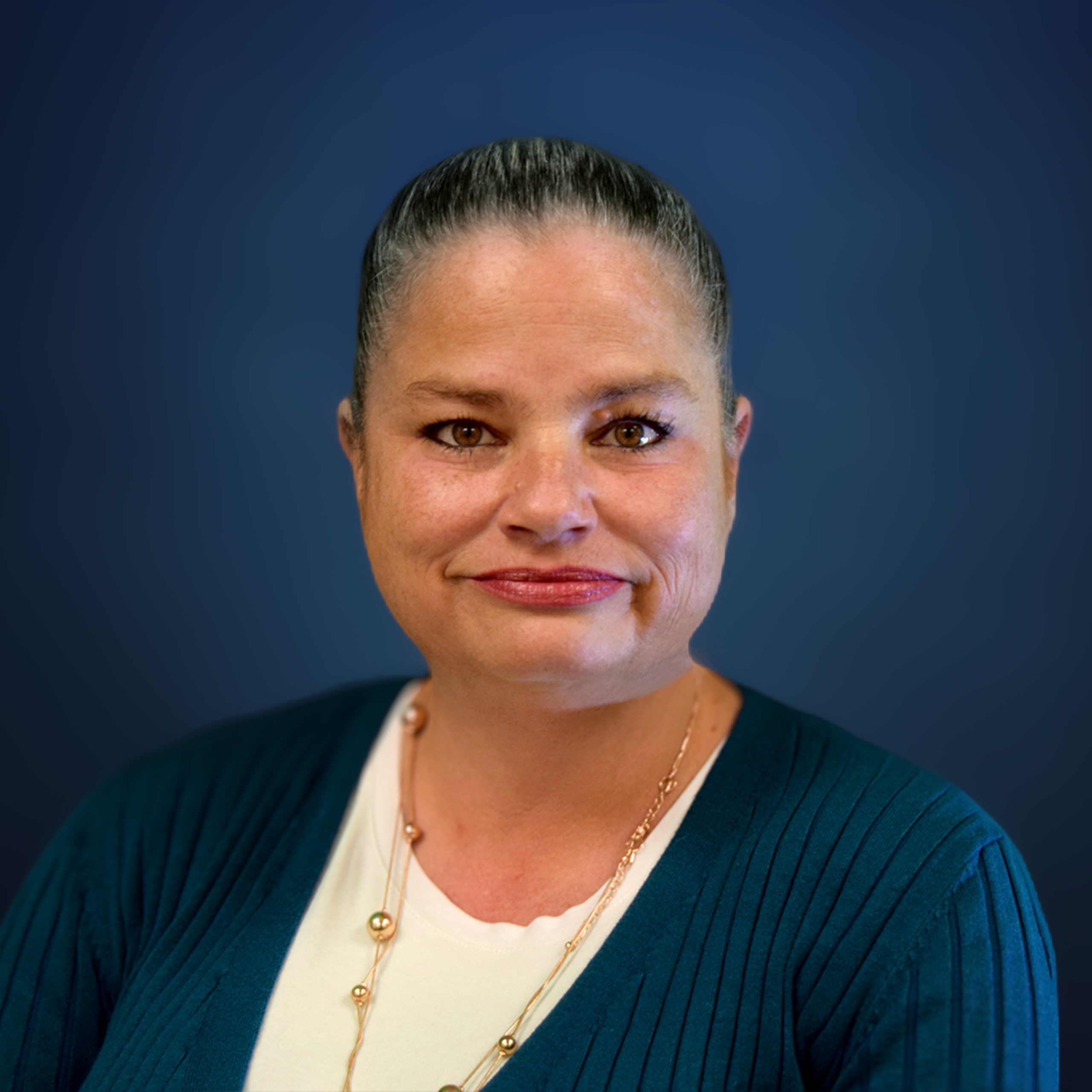
Carmen Ponce-Robiatti, With over 18 years of experience as a health insurance broker and advocate, she is committed to helping clients navigate the complexities of the health insurance system. Her work is grounded in client-first advocacy—resolving carrier issues, educating providers on coverage, and guiding employers on compliance. “My mother was diagnosed with breast cancer at 30, and because she was unable to purchase health insurance at the time (pre-ACA), she received subpar care and passed away. That experience shaped my life’s mission: to help people access the coverage and care they deserve.”
She believes best practice means treating every client like family and advocating for them with care, diligence, and integrity.
VP of Client Services and Renewals ● dba: Integrity Advisors ● carmen@integrity-advisors.com