ARAG
By Lisa Wolf
Twenty-five years ago this fall, the September 11 attacks changed the course of a generation. Thousands of Americans answered the call to serve, beginning military careers that would take them to Iraq, Afghanistan and other assignments around the world.
Today, many members of that post-9/11 generation are building civilian careers, raising families and navigating the long-term financial, health and legal realities that can accompany military service.
As the nation continues to reflect on this milestone, employers have an opportunity to ask an important question: Has the workplace evolved enough to support the veterans that era created?
The question is especially relevant given the size and impact of today’s veteran workforce. In 2025, there were 17.26 million veterans in the civilian population, including 8.34 million participating in the labor force. While veterans continue to bring valuable skills to employers, many still face challenges translating military experience into civilian career advancement and navigating the complexities of life after service.
For employers, supporting veterans is more than honoring service. It recognizes a talented population whose experiences, strengths and needs can differ from those of other employees, then creates a workplace and benefits strategy that helps them thrive.
Veteran hiring is not the finish line
Many organizations have invested in recruiting veterans, and with good reason. Veterans often bring proven leadership experience, resilience under pressure, mission-focused thinking and the ability to perform in complex environments.
Yet hiring is only the beginning.
The transition from military service to civilian employment can involve significant adjustments. Veterans may be rebuilding professional networks, learning a new workplace culture, understanding unfamiliar benefit options or determining how to apply skills developed in the military to a different environment.
The challenge for employers is ensuring hiring practices, benefits and workplace resources translate that appreciation for their service into meaningful support.
Employers that succeed tend to view veteran inclusion as a workforce strategy rather than a recruiting initiative. They invest in onboarding, mentorship, career development and benefits that help veterans navigate major life transitions with confidence.
Turning appreciation into action
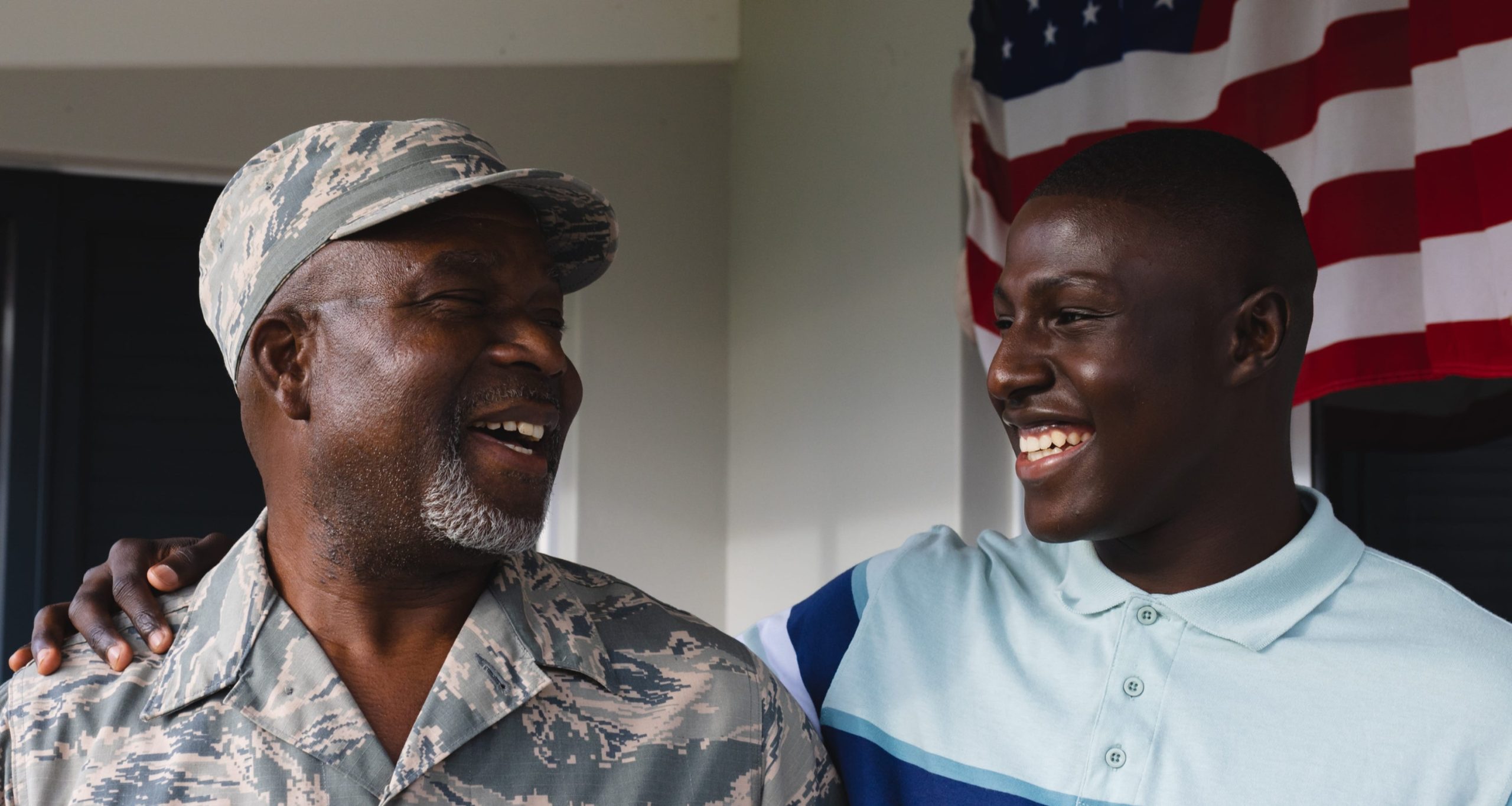
One of the most effective ways employers can support veterans is by creating a workplace where they feel connected and equipped to succeed.
Employee resource groups focused on veterans and military families can provide a sense of community and belonging. Managers can benefit from training that helps them better understand military experience and recognize transferable skills. Employee assistance programs can offer an additional layer of support as veterans navigate challenges related to mental health, caregiving responsibilities or life transitions.
Employers should also consider another, often overlooked area of support: helping veterans address the financial and legal issues that can arise during and after the transition to civilian life—issues that affect employee well-being, productivity and long-term financial stability.
Four legal pressure points employers should understand
Veterans face many legal challenges that are common across the population, but they may also encounter situations connected specifically to military service, government benefits or major life transitions.
Understanding these pressure points can help employers better appreciate the value of providing employees with access to legal resources and guidance.
1. Accessing veterans’ benefits
Veterans may qualify for a wide range of benefits, including health care, disability compensation, education assistance and housing programs. However, determining eligibility, completing documentation and appealing decisions can be a lengthy and frustrating process.
Even small administrative issues can delay access to important benefits that veterans have earned through their service. Legal guidance can help employees better understand their options and navigate disputes when challenges arise.
2. Housing and financial stability
For many veterans, one of the most significant transitions after military service involves building long-term financial stability.
Veterans may be evaluating homeownership opportunities through VA-backed loans, refinancing existing mortgages or responding to financial hardships that threaten housing security. Others may be managing debt, addressing credit issues or recovering from financial setbacks.
Financial and legal guidance can help veterans understand their obligations, evaluate available protections and make more informed decisions during stressful periods.
3. Family law matters
Major life events do not pause after military service.
Like many employees, veterans may face divorce, child custody and child support matters. However, military service can add layers of complexity, particularly when military retirement benefits, federal regulations or service-related health conditions intersect with family law proceedings.
The emotional and financial impact of these situations can be significant. Professional counsel can help employees navigate difficult decisions while protecting their long-term interests.
4. Planning for the future
Estate planning is important for every family, but veterans may have unique considerations involving military benefits, survivor benefits, insurance coverage and end-of-life wishes.
Preparing wills, powers of attorney and health care directives can help ensure loved ones are protected and informed. These conversations can be uncomfortable but addressing them proactively often reduces stress and uncertainty later.
Supporting military families
Employers should also remember that service impacts more than the veteran alone.
Spouses, caregivers and family members often share the challenges associated with military life, frequent moves, benefit transitions, health concerns and future planning. A workplace that supports military families can strengthen employee engagement and create a more inclusive culture for everyone impacted by service.
This broader perspective reflects an important reality: when financial, family or legal issues create stress at home, the effects frequently follow employees into the workplace.
A meaningful way to say thank you
Twenty-five years after 9/11, honoring veterans requires more than looking back. It requires employers to look closely at the experience veterans have in today’s workplace and the resources available when life becomes complicated.
Veterans bring adaptability, leadership and a deeply rooted commitment to mission. Employers can reciprocate by providing meaningful career opportunities, benefits that reflect veterans’ circumstances and access to guidance when legal questions threaten their financial stability or peace of mind.
Gratitude matters. But support veterans can actually use may be one of the most powerful ways to say thank you for your service.
“One of the most effective ways employers can support veterans is by creating a workplace where they feel connected and equipped to succeed”