CRC BENEFITS

By Phil Calhoun in conversation with Andrew Frend
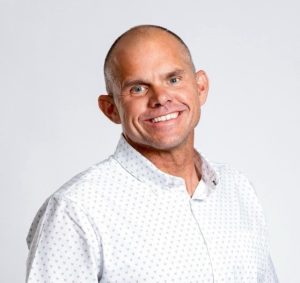
Andrew Frend does not sound like a leader who wants to stand still. He describes himself as someone who has been energized by breadth, not narrow specialization, and that outlook shows up in the way he talks about his path through the industry. Born in a small coastal town in Maine, Frend says half the town were lobster fishermen and the other half worked in some way for UNUM, which gave him an early connection to the insurance world.
From there, his career moved through sales, operations, leadership, and technology. He studied physics and history at the University of North Carolina at Chapel Hill, then entered ADP in a sales training program before moving into insurance roles with Mutual of Omaha and ING. He later helped lead the transition from ING to Voya Financial and then gained deeper exposure to the HR technology side as CEO of Benefitfocus.
That mix matters to him. “I really love being a generalist, not a specialist,” Frend said, explaining that the variety of his past work helps him think about strategy and execution in a more integrated way. He also pointed to mentors who shaped him, including Voya’s former CFO Mike Smith and Rob Grupka, who led Voya’s benefits and retirement businesses.
Why CRC Benefits
Frend said the appeal of CRC Benefits was not just the job title. It was the chance to have a broader impact in a market where brokers and consultants influence what employers offer and how employees experience care and coverage.
“I wanted to have an impact,” he said, adding that CRC’s platform gives him the opportunity to support brokers with “the right things, services, insights and analytics, AI solutions.” In his view, the company sits in a unique position because it can help advisors bring stronger benefit design options to employer clients while also supporting carrier partners.
He returned often to the idea that CRC should be a practical partner, not just a transactional shop. “How do we enable brokers and consultants to bring the best solutions to their clients in partnership with our carrier partners?” he asked. For Frend, that is the core of the role and the standard he wants the business to meet.
AI and the Fundamentals
AI is already reshaping the conversation in benefits, but Frend was careful not to overstate what it can do. He said he does not hear clients asking to replace people with machines. Instead, he sees the technology as a way to make teams more efficient, reduce repetitive work, and improve how service gets delivered.
“Our focus on AI is really emphasizing the execution on the fundamentals of what we do,” he said. That means using technology to automate routine tasks and free up staff for higher value work. Frend also described a shift toward more agentic experiences, where users can ask for what they need rather than clicking through layer after layer of data entry and menus.
Still, he was emphatic that innovation has to be earned. “Operational excellence creates degrees of strategic freedom,” he said, reflecting the idea that strong basics make it easier to innovate later. In his view, CRC must first prove it can execute consistently before it expects clients to trust new tools or larger ideas.
What Brokers Still Win On
For California brokers, Frend’s message was straightforward. Technology may have leveled parts of the playing field, but this remains a trust business. The real differentiator is still the ability to build long-term relationships with employers, HR leaders, CFOs, and individual clients.
“This business is a trust in people business,” he said. “If you can’t build a trusting relationship with someone, then all that other stuff doesn’t really matter.” He noted that the best professionals in the space are the ones who consistently do what they say they will do and keep those relationships intact year after year.
That point should resonate with California advisors working in a highly competitive market where employers are asking for stronger cost control, better service, and more flexibility in plan design. Frend’s message suggests that even as tools evolve, the broker who can connect product, service, and trust will still have the edge.
Broader Value for the Market
Frend also sketched out where CRC wants to go beyond its historical role as a general agency. He said the company intends to remain strong in that core lane, but he sees real opportunity to expand the value it delivers through analytics, benefits administration, and HR technology.
“We intend to be the best general agency,” he said, but success in five years will mean being seen as much more than a traditional GA. That includes helping brokers design better plans, supporting carrier partners across a more complex funding environment, and growing with the market as medical, voluntary, and specialty products continue to evolve.
He referenced the changing carrier landscape as well, including fully insured, level funded, self-funded, stop loss, ICHRA, captives, and PEO arrangements. His point was not that CRC will replace the broker’s role, but that it can help advisors and carriers navigate a more complicated world with better tools and broader support.
What He Wants Brokers to Know
If there was one message Frend wanted California brokers to remember, it was simple: CRC wants to listen, learn, and help brokers win.
“We are here to listen and learn how we can best help,” he said. He stressed that the company’s success depends on helping brokers grow their businesses by providing “best in class solutions to their employer group.” He also emphasized service excellence and service recovery, saying CRC will not get everything right all the time, but must respond well when something goes wrong.
That focus on fundamentals came through repeatedly. Frend is clearly thinking about scale, innovation, and future growth, but his immediate priorities remain operational discipline, customer trust, and a tighter alignment between what brokers need and what CRC delivers.
Working with Andrew Frend
Brokers and industry partners who want to connect with Andrew Frend through CRC Benefits can engage through CRC’s broker and agency platforms, including the agency workspace and quoting tools he referenced in the interview. Frend also said he welcomes feedback and collaboration, especially from brokers who can help shape surveys, service priorities, and future product direction.
His message to the California market is that CRC wants to be useful, responsive, and focused on helping brokers grow. For experienced insurance professionals, that combination of practical support and strategic ambition may be exactly what the market is looking for.
“Technology may have leveled parts of the playing field, but this remains a trust business.”
Learn More: www.crcbenefits.com