PROFESSIONAL DEVELOPMENT

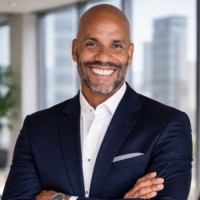
By Joshua Schneeloch
California’s benefits brokers are standing in a doorway between the distribution they have known and the one coming to replace it. This is the first in a series on who will carry insurance the last mile.
I have spent 35 years studying how products reach the people who need them. The first 20 of those years happened in Europe, inside broadcast media technology, where I learned that distribution is the quiet engine underneath every industry that lasts. The next 15 happened here in the United States, inside insurance, where the same lesson repeated itself in a new language. Distribution is the part of our business that nobody applauds and everybody leans on. When it works, it disappears into the background. When it begins to fail, everything built on top of it starts to wobble.
I am writing this first column from what I have come to picture as a threshold, a doorway between the insurance distribution we have known and the one arriving to replace it. California’s brokers are standing in that doorway right now, and many of them have not yet felt the draft.
Here is the shape of it. The average U.S. insurance agent is roughly 59 years old. Around 1.37 million insurance professionals are now 55 or older, close to one in four people in the field, while only about 214,000 sit between the ages of 20 and 24. That works out to six people walking toward the exit for every one walking through the front door. The Bureau of Labor Statistics has projected that over a 15-year horizon, half of the current insurance workforce will retire, leaving more than 400,000 positions unfilled. I will give that number a full column in August.
Carriers can design brilliant products and technologists can build elegant platforms, and none of them reach a single family until a trusted human being carries it the last mile.
That transition was demanding, and it was still the gentle version of what insurance now faces. Media let a young person learn the new systems in months and start adding value almost at once, because the barriers to entry were low and the rules were light. Our business asks for far more before a newcomer earns a single dollar. There is licensing to pass, compliance and law to absorb, products and regulation that change every year, and a long apprenticeship across real kitchen tables before the instincts take hold. A new producer can spend a year or more learning the trade before the income arrives, and that lean runway is exactly when most of them walk away.
Now layer the timing on top. In broadcast, the older generation aged out gradually while the young filled in behind them. In insurance, a wave that has been building for twenty years is cresting all at once, with almost the entire experienced workforce reaching for the exit inside the same narrow window. And there is one more force. Automation was already creeping into our work two decades ago, quietly, at the edges. Today it has grown into a massive movement, with artificial intelligence reshaping how every part of the business gets done.
This is where the threshold turns into an opening. It is lifting the grinding administrative weight off the producer’s desk and freeing the human to do the human work, reading a room, anticipating a need, and earning trust across a table. Identity has become a language this generation speaks fluently, and selling from identity, from who you are and what you stand for, is the most durable form of selling there is.
Over the coming months, Schneeloch on Distribution will map this threshold one panel at a time, from where the next producers will come, to the image problem that keeps young talent away, the changing shape of the work, and the pipeline California must build to last.
I am calling these field notes because that is what they are. For years, I have researched this question and gathered knowledge and hard-won experience across two continents, and I keep landing on the same conclusion, which is that distribution is destiny. Carriers can design brilliant products and technologists can build elegant platforms, and none of them reach a single family until a trusted human being carries it the last mile.
This is the work I am now taking on directly. I am stepping into the Professional Development board seat at CAHIP-LA, the largest NABIP chapter in the nation, to build a mentorship initiative that pairs our most knowledgeable professionals with the young people entering the field. The aim is to carry decades of experience forward to the next generation before our veterans walk out the door, and to begin early and on purpose, solving the problem holistically and at the root where surface fixes never reach.
We are standing at the threshold. The draft is real.
If you want a hand in shaping what we build on the other side of the door, reach out to CAHIP-LA at info@cahip-la.org, or join the movement at nabip.org/professional-development.

For a direct conversation about alignment, services, and book protection strategies with Joshua Schneeloch, visit www.joshuaschneeloch.com or linkedin.com/in/joshuaschneeloch.