COMMISSION PLANNING


David Ethington brings a ground-level perspective to succession and commission protection. He has spent 15 years learning every line of health insurance under the mentorship of agency founder Phil Calhoun and colleague Carmen Ponce. Ethington runs the Medicare side of Integrity Advisors. Today, he speaks to agency owners, General Agents, and FMO leaders about commission planning.
This article covers how General Agents, FMOs, and agency owners can help subagents protect their commissions while they stay active and grow revenues while building a reliable succession plan. Their Commission Protection Plan and purchase agreement framework has been tested in California’s health market over the past decade and is designed to protect commissions and provide a sale in the future.
Why Commission Protection is Now a Strategic Imperative
Ethington points out that many California brokers are in the baby boomer retirement wave and are actively thinking about exit timelines, even if they have not formalized a plan. “This is a broad topic,” he said, “not just for individual agents who are looking to retire,” but for agents and subagents as all have risks from death to disability which can lead to the loss of commissions.
For GA and FMO leaders, this risk impacts them and their subagents. When a subagent loses their license or passes away without a plan in place to protect their commissions, insurance carrier rules and compliance requirements will lead to terminating commissions. In many cases, clients are lost as they often seek a new broker and then commissions evaporate.
Ethington reminds agency owners that when they protect their subagent’s commissions, they also protect their overrides. With all of the Baby Boomer brokers out there, the first broker who approaches a subagent about planning has a much better chance to keep that book under their downline.
Phil Calhoun has seen the problem from every angle in Southern California since first getting licensed in 1990, including launching a hospital-based Medicare HMO in 1990, building an FMO, and later buying out an agency from a large medical group. After going through full valuations with CPAs and attorneys and then starting Calhoun and Associates DBA Integrity Advisors, he sold his share of the FMO and shifted focus over the last decade to help health brokers and subagents protect their commissions through a structured planning process called the Commission Protection Plan.
Two Core Tools for GA and FMO Leaders
Calhoun and Ethington have distilled their experience into two core tools that GA, FMO, and agency owners can offer subagents.
- The Commission Protection Plan for active agents who want to keep selling but need their commissions protected against death, disability, or future retirement.
- The Commission Purchase Agreement for active brokers who are ready to retire and sell now, without remaining active.
“Every commission protection plan has a purchase agreement in it,” Calhoun explains, but when a subagent is truly ready to exit, “we recommend the commission purchase agreement.” Both structures are built to be carrier agnostic so they can encompass all lines of health insurance from Medicare, group, and individual, and provide continuity across California’s fragmented carrier landscape.
The value to a GA or agency owner is familiarity, motivation, and predictability. With our approach, they can effectively position themselves as the default successor buyer for multiple subagents. While each deal can be standardized, your deal terms are designed to help address how to retain clients and overrides. Planning is a way to prevent clients from scattering to competitors or being lost entirely in a broker’s life event.
Turning Planning into a Growth Engine
From their consulting work, Calhoun and Ethington have a track record that shows how quickly planning can convert to real deals. A California FMO that invited them to present to subagents ended up closing three immediate retire-and-sell acquisitions in one year. Using their planning process, the FMO owner was positioned as the buyer for all three transactions. This FMO was also able to help two more active broker subagents stay active with a commission protection plan. Then, last year, a General Agency owner recently closed one acquisition of a subagent’s book of business and has a second subagent moving forward on a commission protection plan.
Their consulting model is intentionally hands-on. “We walk side-by-side with you in this process,” said Calhoun, “we supply our proven process—health insurance planning agreements, the required carrier commission transfer forms, and a client retention plan.” Working with agencies on a single subagent planning deal, the consulting fee is $2,250 for the full process, dropping to $1,750 per agreement for agencies when multiple subagents get involved. With their expertise focused on health commission protection and eventual sale to a buyer, the process built over 10 years is far more economical and effective than starting from scratch with an outside attorney or CPA. Importantly, they emphasize that each subagent situation is personal.
Many solo brokers in California have mixed books—Medicare, small group, IFP, and sometimes unpaid service work—and may want to sell only part of their commissions or keep certain client segments. Calhoun notes that to secure the most valuable portion of a book, “sometimes you have to take it all” and then adjust pricing for lower value segments such as IFP unless those IFP lives represent a substantial pool of near Medicare eligibles. The details and differences between buyers and sellers are worked out with our support.
How the Math and Deal Structure Work
Ethington frames the starting point simply: “How much commission is coming in the door” is the baseline for valuation, then adjusted for key factors like carrier mix, client geography, client tenure on the books, and, in Medicare, client age. For most solo health brokers, the common annual commission revenue is between $100,000 to $350,000. Health insurance books above $500,000 and more are less common, and these deals can involve increased financial analysis and may draw in large institutional buyers.
“On deal structure, we strongly favor payouts over time rather than lump sums.” A common start is a 50% share of gross commissions paid over four to five years, effectively delivering roughly two or three times book value to the seller. This approach has many advantages for the seller and buyer. Since the key is to keep as much of the paid amount, every seller needs to focus on the tax impact of the gross payment they receive. Smoothing the tax impact is how we help sellers with the payout approach. Reducing upfront cash demands on the buyer is how we recommend buyers can do multiple deals without bank loans or additional expense load on their business. Calhoun underscores the core principle, “It’s not what you’re paid, it’s how much you keep after taxes.” He notes that spreading payments over four or five years means the seller “is going to keep a lot more of their payout.”
This approach also aligns well with typical carrier compensation patterns in California where premiums and commissions tend to rise over time. As Ethington puts it, under a percentage of commissions structure, “the buyer is winning and the seller is winning,” because future commission increases benefit both parties within the agreed-upon payout term. Mutually beneficial deals often lead to greater success and satisfaction for both seller and buyer.
Building a Repeatable, Compliant Process
For California brokers steeped in Medicare AEP and fourth-quarter group renewals, any succession strategy is ideally built in between January and June. Planning for succession and protection of commissions needs to be operationally realistic. Calhoun is explicit that their focus is their proven commission planning process: “What we bring to the table is the process,” including formal agreements, access to estate planning and tax experts, and detailed guidance on timing, valuation, retention programs, and post-sale service.
Ethington says much of their work with agency owners and subagents is about these practical touches: “What do you do during open enrollment? What do you do outside of open enrollment? How many times are you touching your clients throughout the year?” A smooth client transition is critical; if you stumble on service, retention drops, the economics suffer, and the deal is less successful.
Over time, Calhoun observes that agencies can “stack” multiple commission protection plans with subagents of different ages and specialties, treating them almost like future accounts receivable. As those subagents eventually retire or face life events, the agency can bring on new staff to absorb the service load and convert protected books into owned revenue streams, all within a framework that respects client continuity and successor rules.
Keeping Subagents and Their Families Whole
For Ethington, the core purpose of the Commission Protection Plan is to give your subagents the flexibility to stay active while knowing that if they retire, become disabled, or pass away, their beneficiary continues to get paid based on the terms of the purchase agreement. For California GA, FMO, and agency leaders, offering that structure is not only a retention and override strategy; it is a way to demonstrate real stewardship of the subagents who power your distribution.
If you would like to explore commission protection options for your subagents or your own book, you can reach out directly to David Ethington or Phil Calhoun at Integrity Advisors. They suggest scheduling a 15-minute discussion about your agency’s needs and potential fit with their planning process.
Many solo brokers in California have mixed books—Medicare, small group, IFP, and sometimes unpaid service work—and may want to sell only part of their commissions or keep certain client segments. Phil Calhoun is the owner and publisher of California Broker Magazine.
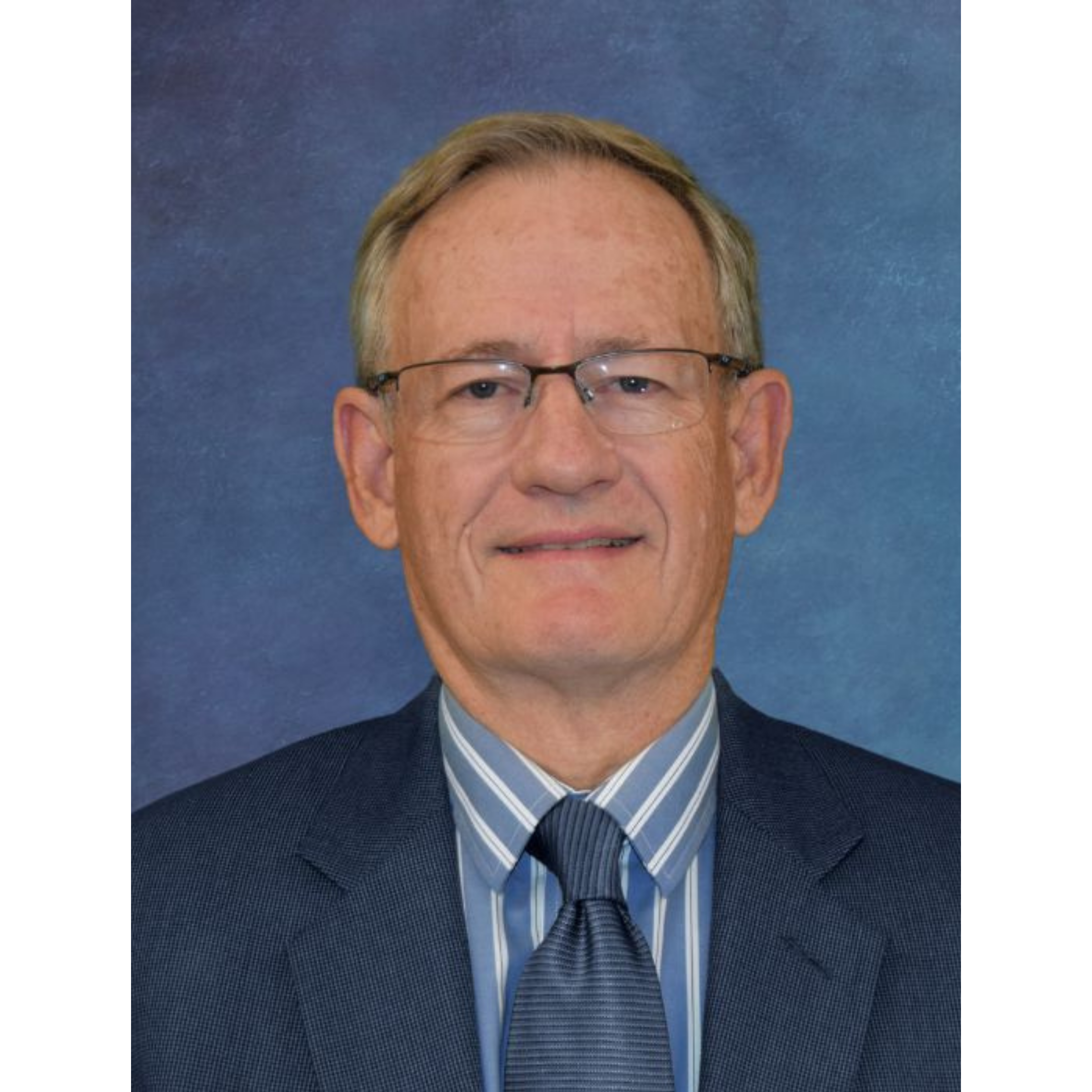
Phil Calhoun is the owner and publisher of California Broker Magazine. Phil also is a leader in coaching health insurance professionals. He is an active member of several insurance associations including the California Association of Health Insurance Professionals (CAHIP) and local chapters in Orange County, Los Angeles, San Diego, and Inland Empire Health Insurance Professionals. He attends many state and local California chapter meetings.
Phil’s book, “The Health Broker’s Guide: To Protect, Grow and Sell Commissions” is available free at www.healthbrokersguide.com.
Email: phil@commission.solutions
Phone: 714-664-0311
Phil offers complementary 15-minute coaching sessions to help brokers get answers to questions about how to protect, grow, and sell their health commissions.
To schedule a FREE phone call, “Click Here.”
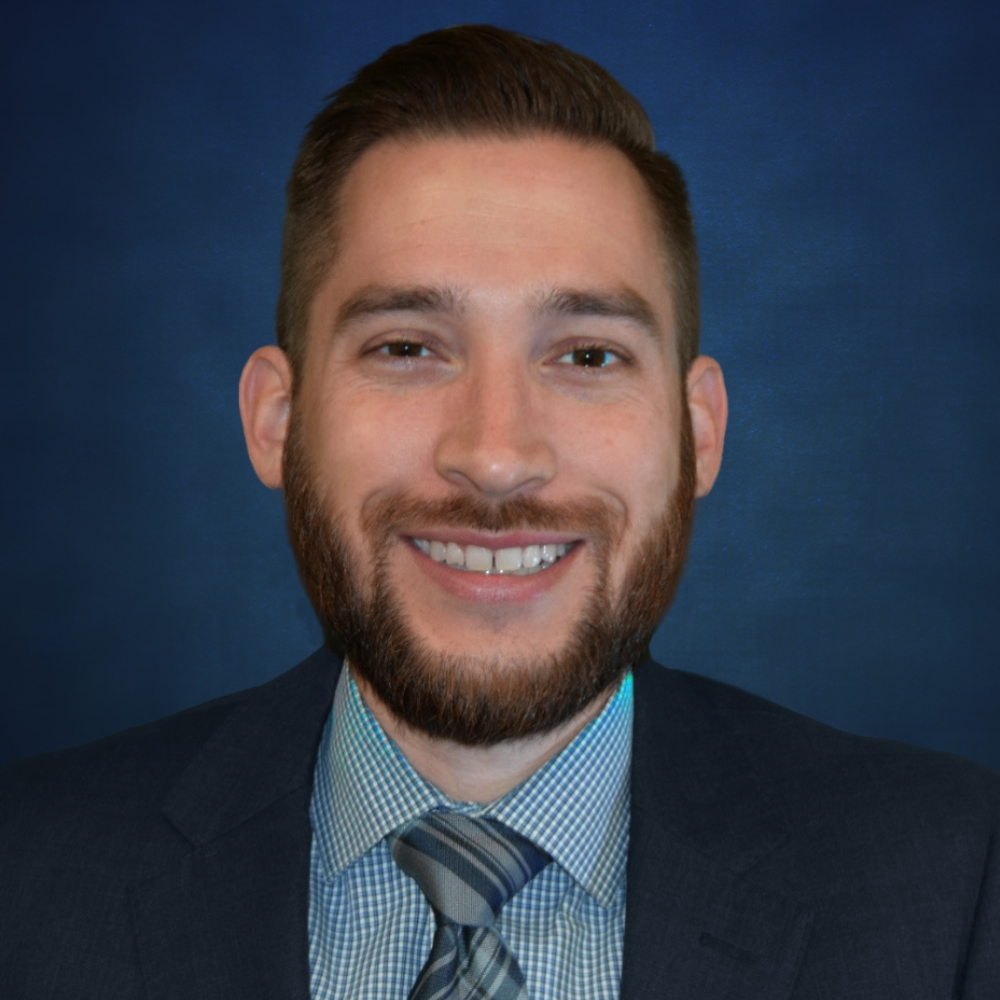
David Ethington is VP of the Medicare Division and director of Broker Relations with Commission Solutions, part of Integrity Advisors. His work has excelled due to his commitment to providing the best service to both health clients and health brokers. David respects the hard work it takes to build a book of business and enjoys working with retiring brokers and their families. David has participated in the commission protection process for seven years. He’s also involved in acquisitions, especially in the broker relationship transfer of commissions. David lives in Orange County with his wife and their cats. He is an avid runner and completes several long-distance events annually.
Email: david@commission.solutions
Phone: 714-664-0605
To schedule a FREE phone call, “Click Here.”