
COMMISSION PLANNING

California Broker in conversation Daniel Wexler and Anthony Di Bernardo
Planning beyond the next renewal cycle is becoming mission critical for California brokers who are thinking about succession, tax exposure, and whether their money will really last through retirement. In a recent recording, estate and business succession attorney Daniel J. “Danny” Wexler and tax mitigation specialist Anthony Di Bernardo sat down with California Broker CEO Phil Calhoun to talk about how to turn volatile commission streams into coordinated, tax-efficient retirement income and legacy plans.
This article is drawn from that conversation between Wexler, Di Bernardo, and Calhoun and focuses on practical strategies California brokers can apply in their own businesses and with clients who are approaching their business exit planning.
Introducing Daniel J. “Danny” Wexler and His Planning Partnership
Wexler has been practicing as an attorney for the better part of 37 years, focusing on estate planning, asset protection, and business succession planning and, as he puts it, “we try to help people give as much as they can to the people they care about the most, their family and their loved ones, and as little as possible to the IRS.” Wexler is clear that he is not a financial planner or a CPA, yet because he reviews clients’ entire balance sheets in the estate planning work he performs for families, he keeps hearing the question “will I outlive my retirement,” and he explains that “time is your friend when you have it and your enemy when you don’t” while noting that even late starters can still make “good headway” with thoughtful planning.
When Wexler and Di Bernardo team up, they begin with the client’s goals and build from each other’s strengths; Di Bernardo says “our goal is mainly tax and financial planning to help the client through their retirement years in a very tax-efficient manner” and he “leans on Wexler for the tax side,” with both focusing on risk tolerance, asset protection, and making sure “that the money outlives them and that there’s succession planning onto their family in an efficient manner,” while “making sure that the client is always comfortable that they’re not losing sleep during their retirement years while this money is working for them at the same time providing the income that they need to live on a day-by-day basis.”
From Missing Pensions to Personal Pensions
For experienced brokers, the loss of traditional, defined benefit pensions has fundamentally changed retirement planning. Wexler calls pensions “the holy grail for everyone” and points out that “pensions don’t exist much anymore,” leaving most people in defined contribution arrangements like 401(k) and IRA plans where “we know how much we’re putting away, but we don’t know how much we’re getting back out.”
He walks through Roth IRAs as after-tax vehicles where “you never have to pay tax on what you take out” and notes that there are ways “to create personal pensions and defer income, not taking it all at once.” For California brokers used to commission variability, that personal pension mindset can be critical as they approach an eventual book sale and need predictable income.
Life Insurance as an Income Tool
Wexler and Di Bernardo frame life insurance as a retirement planning tool rather than just a death benefit. Wexler notes that “one of the great tools out there that a lot of people don’t realize can be used for retirement is life insurance” because “if you follow the rules and you understand how to utilize that tool, you can create income tax-free money in the future, it just takes time.” He underscores that insurability is the gatekeeper since “if the insurance company won’t give you life insurance, then you can’t use the tool,” and adds “I don’t sell life insurance, I just cause a lot of it to be purchased,” pointing to Di Bernardo, who “understands all of the ins and outs of both setting up private pension plans as well as utilizing insurance as a retirement tool.”
Di Bernardo adds that for “the right client, it serves a tremendous purpose in their planning” but “it’s not for everybody” and “time is of the essence,” noting that talking to “a 35- or 40-year-old versus a 65- or 70-year-old, it’s a different conversation” because a meaningful result often requires “at least 10 years” of funding and growth.
Supercharging with Leverage and Surrogate Lives
For higher net worth or entrepreneurial clients, Di Bernardo sometimes uses leverage to “supercharge” the plan, noting that “there are situations where we can use leverage to help supercharge it and we get into those conversations with the right client,” often by having a bank finance premiums using the policy as collateral. Wexler explains that when Tony talks about supercharging he is “talking about financing” and likens it to real estate “we’ve yet to meet that real estate investor who wants to pay 100% of the asking price with cash” so you can “use financing where a bank will get involved and will loan money using the insurance policy as collateral to create these types of supercharged policies,” summing it up as “supercharging means using other people’s money… OPM, right, other people’s money.”
For older or less insurable brokers, Wexler introduces using a surrogate life, asking whether, for example, “a 68-year-old client and a 33-year-old daughter” could put coverage on the daughter “for the benefit of the 68-year-old person who’s thinking about retiring in seven years,” while also reviewing “other buckets of money” and coordinating withdrawals from qualified plans since you “can’t take money out of a qualified retirement before you’re 59 and a half.” Di Bernardo extends the bucket theme by analyzing where “the buckets of money are coming from” and what clients “need to rely on,” pointing out that clients may fund 401(k) plans at “as high as a 50% tax rate here in California,” yet in retirement “consequently your tax bracket is less,” turning pre-tax contributions into lower taxed distributions.
Calibrating Real Retirement Needs
Once structure and tools are in place, Wexler and Di Bernardo help clients reframe what they actually need in retirement, starting by asking “how much money do you actually need?” and contrasting fully taxable working income with a mix of taxable and potentially income tax-free money when planning is “done properly.” Wexler notes that as people age “we also end up with less tax deductions” because “we don’t have minors, we don’t have educational expenses,” and mortgage interest deductions shrink, and he cites studies showing “a spike in spending in their first couple of years” of retirement, then a decline, followed by higher medical costs near the end, underscoring his reminder that “if you don’t know what harbor you’re sailing for, no wind is the right wind.”
A Broker Walks the Walk
Calhoun shares his own planning to illustrate how these ideas translate into practice. He has “put a life insurance policy, cash value life, on my daughter as the insured, my wife and I as the owners of the policy” and plans to fund it for “seven to 10 years” then take “some money out in retirement tax-free from the policy and then we’re going to hand that policy over to our daughter.”
Calhoun notes that with his daughter in her mid-30s she has “a long horizon for that policy to grow and for the mechanics of the policy to really work well,” giving the family “two bites at the apple.” For brokers contemplating a book sale and worried about outliving their income, this kind of multi-generation planning can be a compelling model to explore with specialists like Wexler and Di Bernardo.
One of the great tools out there that a lot of people don’t realize can be used for retirement is life insurance.
Engage with Wexler and Di Bernardo
Wexler and Di Bernardo regularly collaborate with brokers who are ready or almost ready to sell a book of business and want to minimize tax impact while extending retirement income over their lifetime. California brokers can engage Wexler for business succession planning, estate planning, and asset protection solutions and work with Di Bernardo on tax mitigation protection and retirement income planning that integrates pensions, deferred compensation, and leveraged life insurance where appropriate. As Calhoun suggests, a short complimentary call to review your health commissions, book of business, and retirement goals is often the best first step before being connected directly with Wexler and Di Bernardo for deeper planning.
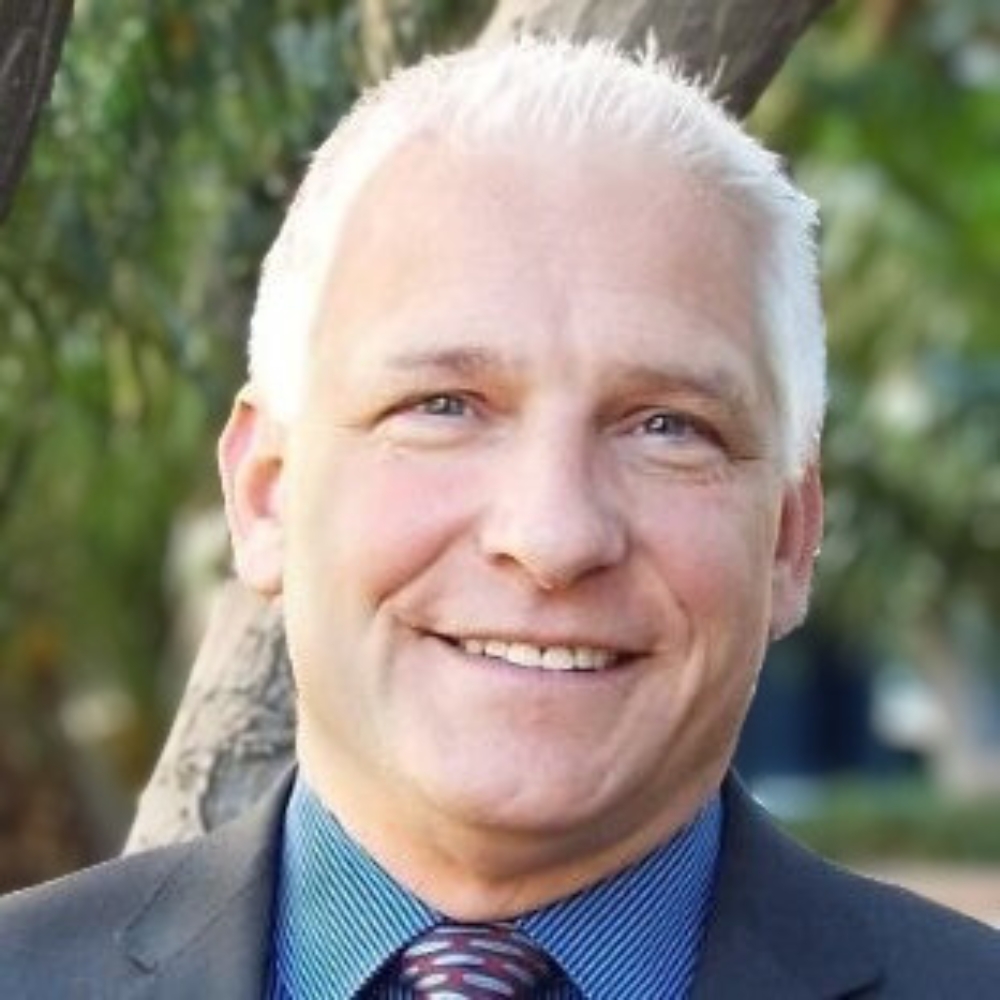
Daniel J. “Danny” Wexler is an accomplished attorney and counselor at law admitted to the California State Bar, with admissions before the California Supreme Court and the U.S. District Court for the Southern District of California. A graduate of USC Gould School of Law, he has built a distinguished career spanning law, wealth strategy, and financial advisory roles, specializing in estate planning, succession planning, asset protection, and tax strategy. He is the co-author of Love, Money, Control: Reinventing Estate Planning and For California Doctors: A Guide to Asset Protection, Tax and Estate Planning, and is a sought-after educator for financial professionals nationwide.
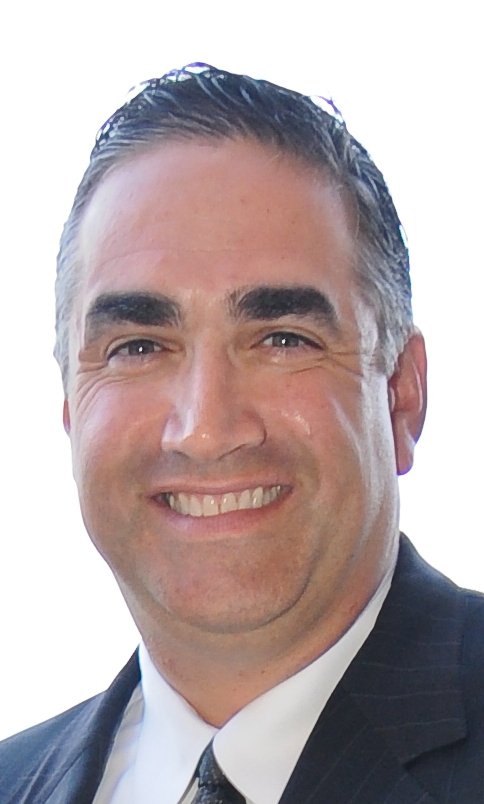
Anthony Di Bernardo is Co-Founder and CEO of Flexible Insurance Plans, Inc., serving the financial services industry since 1987. He supports more than 50 CPA firms across the western U.S. and has helped over 3,300 clients implement advanced insurance, retirement, and estate planning strategies, overseeing $3 billion in life insurance in force and $650 million in assets under management. A 30-year recipient of the Million Dollar Round Table’s highest honor, “Top of the Table,” Anthony also serves as President of Strategic Insurance Designs, Inc., providing pension and estate planning expertise to banks and credit unions. He holds a B.A. in Economics from USC.

Commission Solutions offers complementary 15-minute coaching sessions to help brokers get answers to questions about how to protect, grow, and sell their health commissions.
To schedule a FREE phone call, “Click Here.”